Spending long periods at home can feel comfortable at first. You may tell yourself that you’re simply taking a break or enjoying some quiet time. But when you slowly lose the desire to go outside or do the things you usually enjoy, something deeper may be happening. Psychologically, this can be connected to **mental rumination**—a state where your mind becomes overwhelmed with repetitive thoughts. You may keep thinking about the past, worrying about the future, or replaying the same situations in your head. Meanwhile, your motivation gradually fades, making even simple tasks feel exhausting. This isn’t necessarily laziness. Sometimes, it’s a sign that your nervous system is stuck in survival mode. Your mind is using so much energy trying to process stress and worry that you have very little left for everyday life. The longer this continues, the more distant normal life can begin to feel. Going outside, meeting people, or getting back into your routine may seem much harder than it used to. You might even feel trapped in a cycle: the more you stay home, the less motivated you feel to leave. The difficult part is that you usually can’t escape this cycle with one huge burst of motivation. Recovery often happens gradually. It may begin with something small, such as opening a window, taking a short walk, or stepping outside for a few minutes. You don’t have to change everything in one day. Sometimes, the first step toward feeling better is simply taking one small step forward.
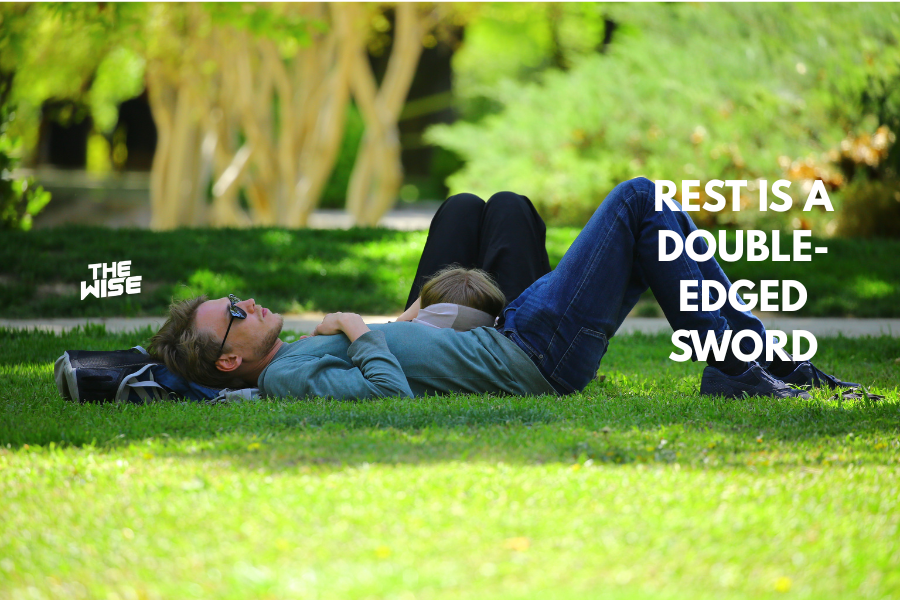
Rest can kill your mental gains!
Why losing the desire to go outside may be more than simple rest!
Comments
Be the first to share a thought.